Mitakawani Village
meet the farmers
Mitakawani is a small village located in the centre of Unguja, the main island of the Zanzibar Archipelago. Known for its spice farming, this region plays an important role in producing many of our single origin Zanzibar spices.
The climate in Mitakawani is hotter and drier than nearby areas such as Kidichi, with distinctive red-orange soil. The landscape is more open, with widely spaced trees, yet it remains lush and full of life.
Traditional homes made from wooden sticks, mud and straw are still common in the village, reflecting generations of local craftsmanship. Cows, goats and chickens roam freely among the trees, grazing on leaves and vegetation, adding to the natural rhythm of village life.
Life in Mitakawani is simple, and while resources are limited, the community is strong. Farmers work together to cultivate Zanzibar spices, combining their harvests and sharing the profits collectively. Village elder Ali Juma Omari helps oversee this system, ensuring fairness and cooperation across the community.
Access to electricity is limited, and due to the fragile island ecosystem, wood is a scarce resource. As a result, farmers rely on traditional methods, drying their spices in the African sun as they have done for generations. This natural process can give the spices a different appearance compared to commercially processed alternatives, but it also preserves their character, authenticity and depth of flavour.
The village is incredibly proud to see its spices reaching new markets in the UK. Farmers are motivated to improve quality and carefully scale production while staying true to their traditional methods. There is a strong sense of pride in both their work and their heritage.
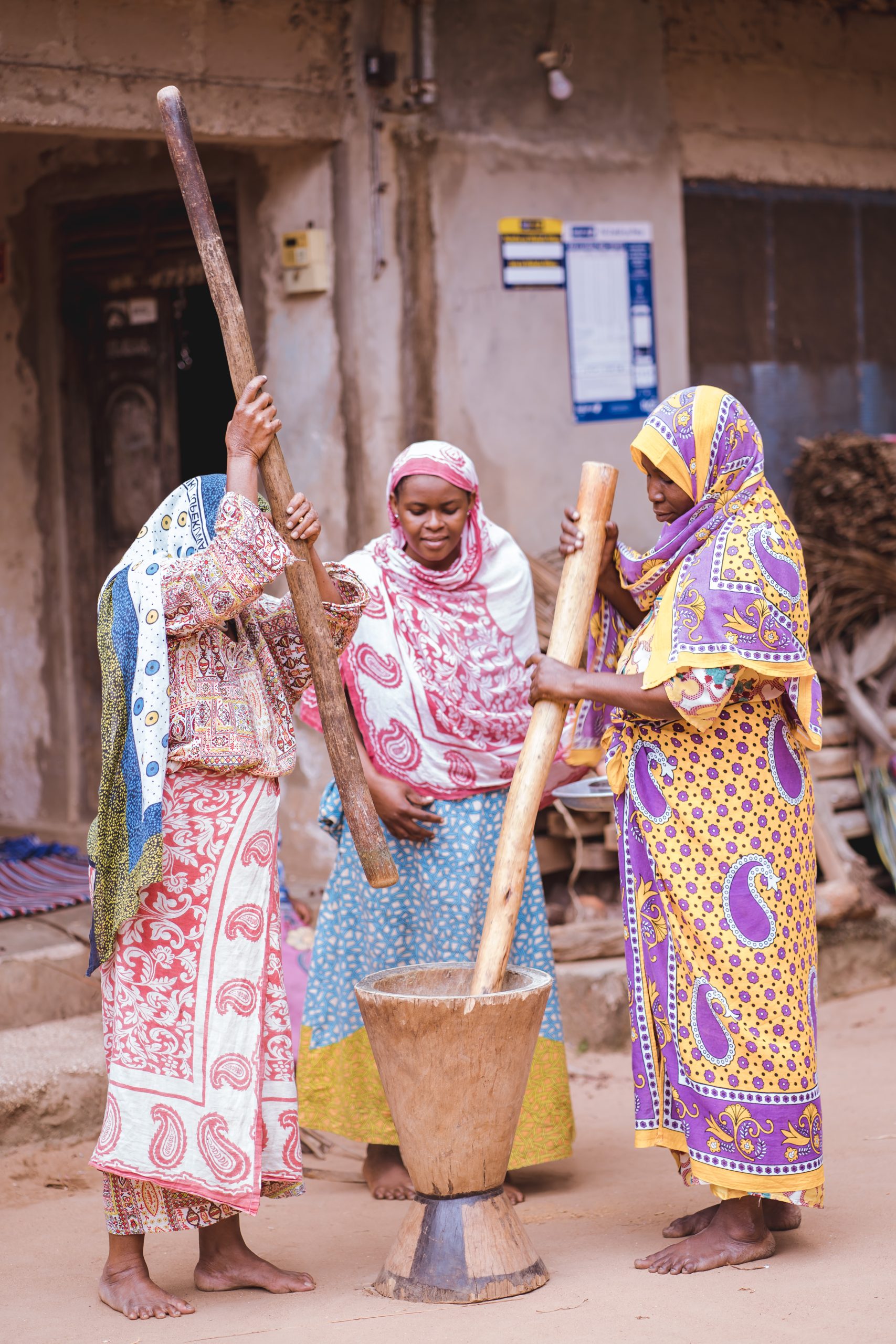
Currently, spices such as ginger are ground by hand using large wooden mortars and pestles, then carefully sieved. This is physically demanding work, and through our partnership, we aim to reinvest in the community by providing tools such as mechanical grinders to reduce labour and support more efficient production.
Hujambo, hello!
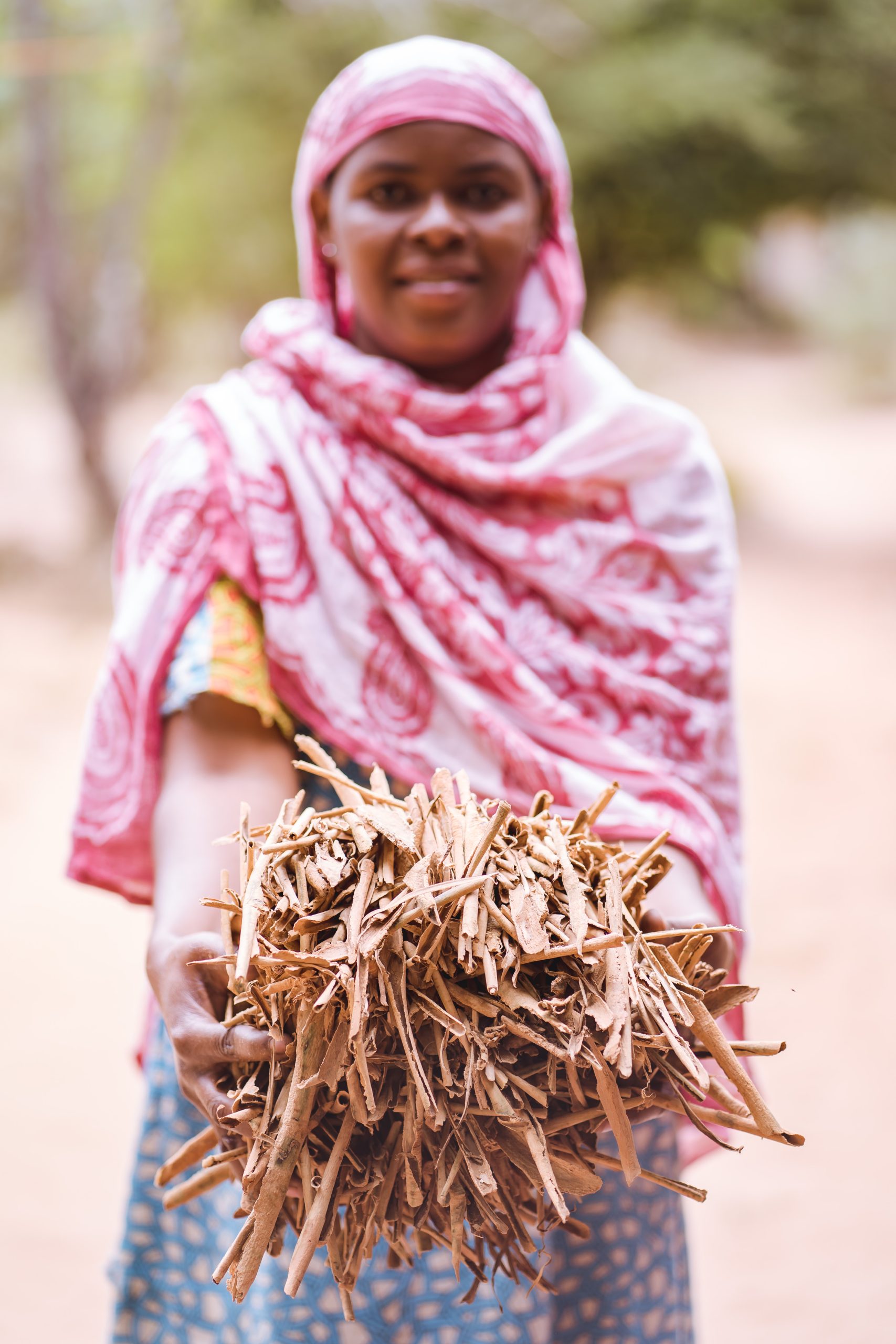
I am Zuhura Muslihi.
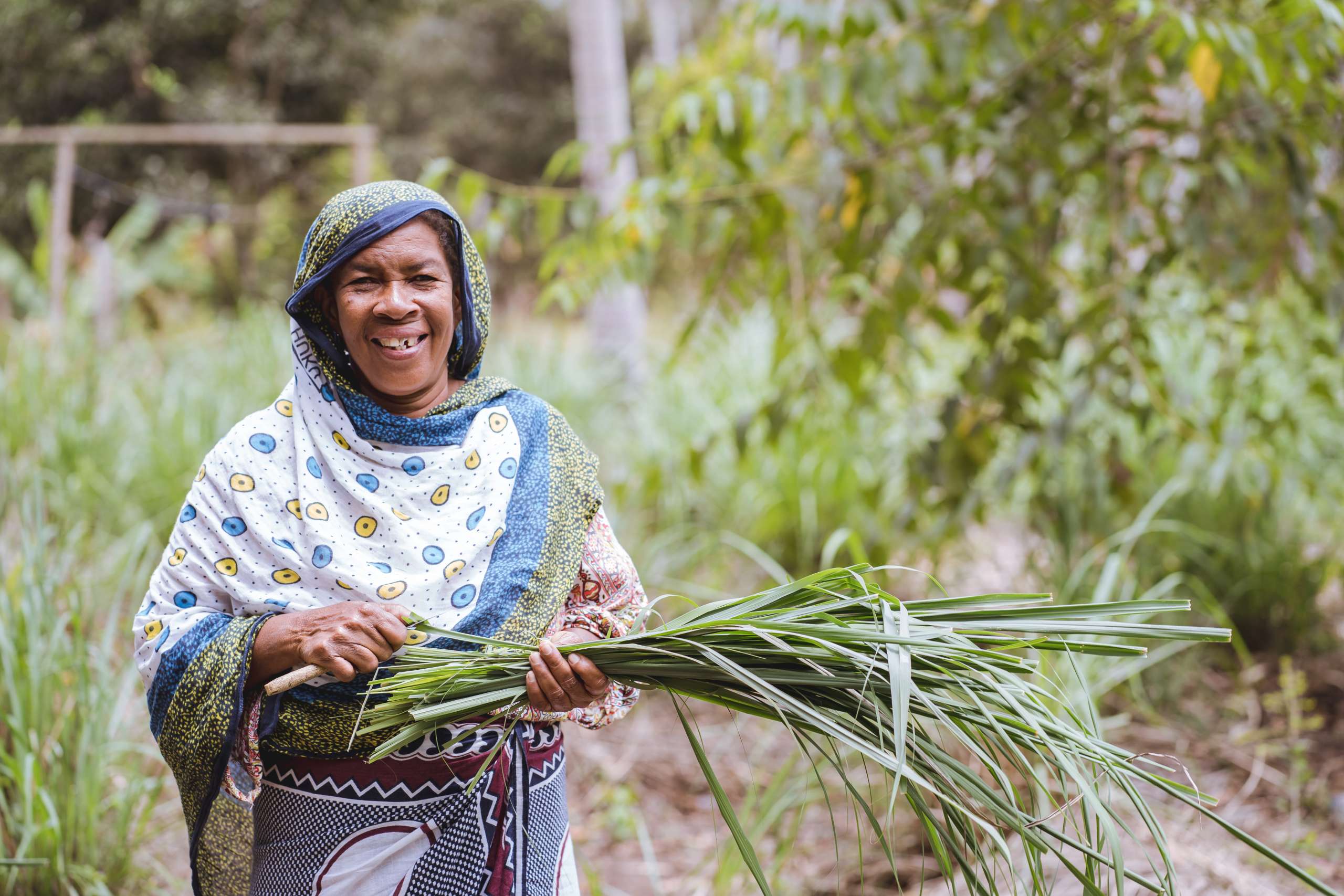
Zuhura is a second-generation farmer from Mitakawani village, where she grows cinnamon and black pepper. She took over the farm after her father became unwell and was no longer able to continue working.
One of the main challenges Zuhura faces is limited access to water. With farming largely dependent on rainfall, unpredictable weather can make cultivation difficult. Through her partnership with Ujamaa, she hopes to reduce this reliance and improve the stability of her farming practices.
Karibu, welcome!
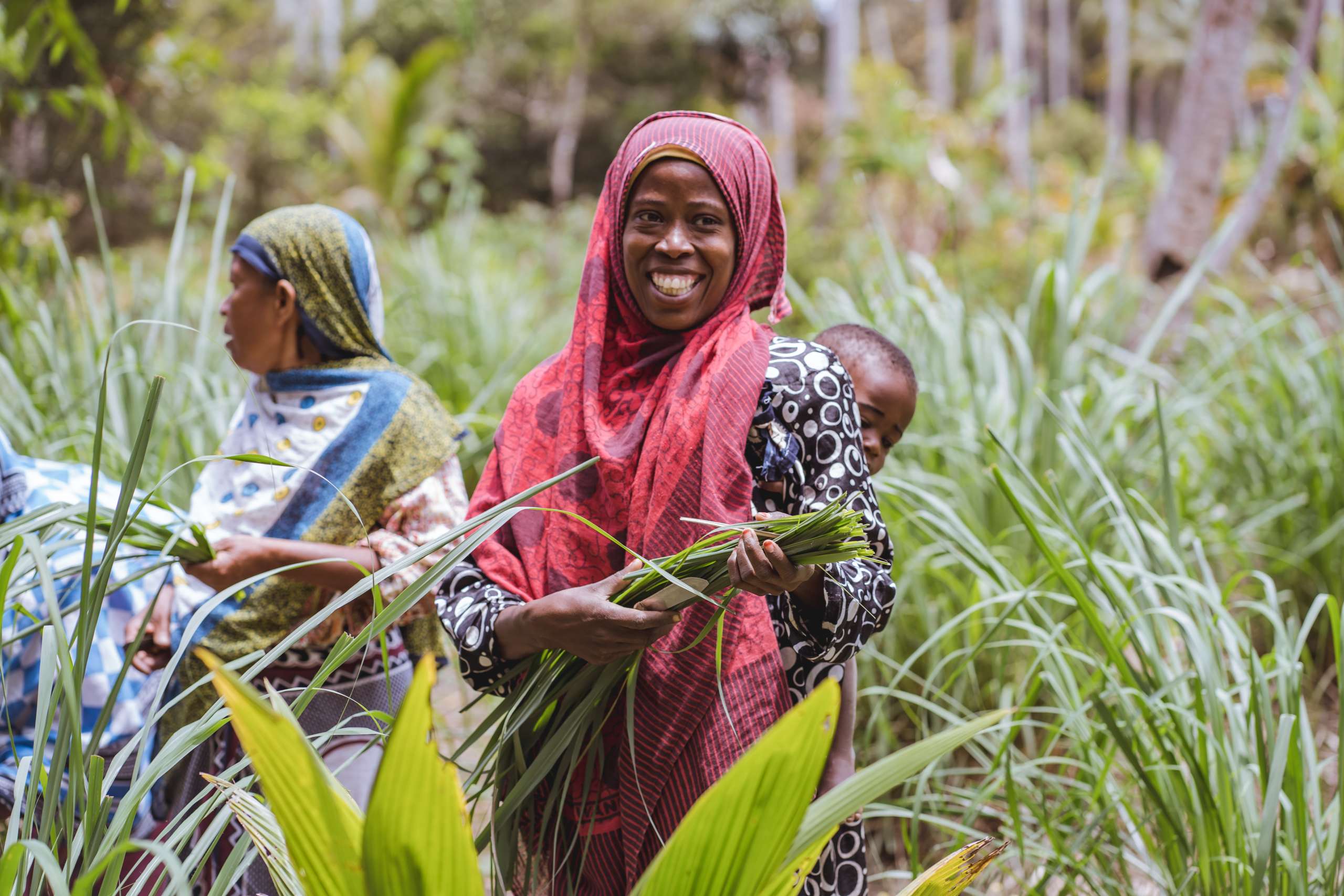
I am Hiyari Ali Hassan.
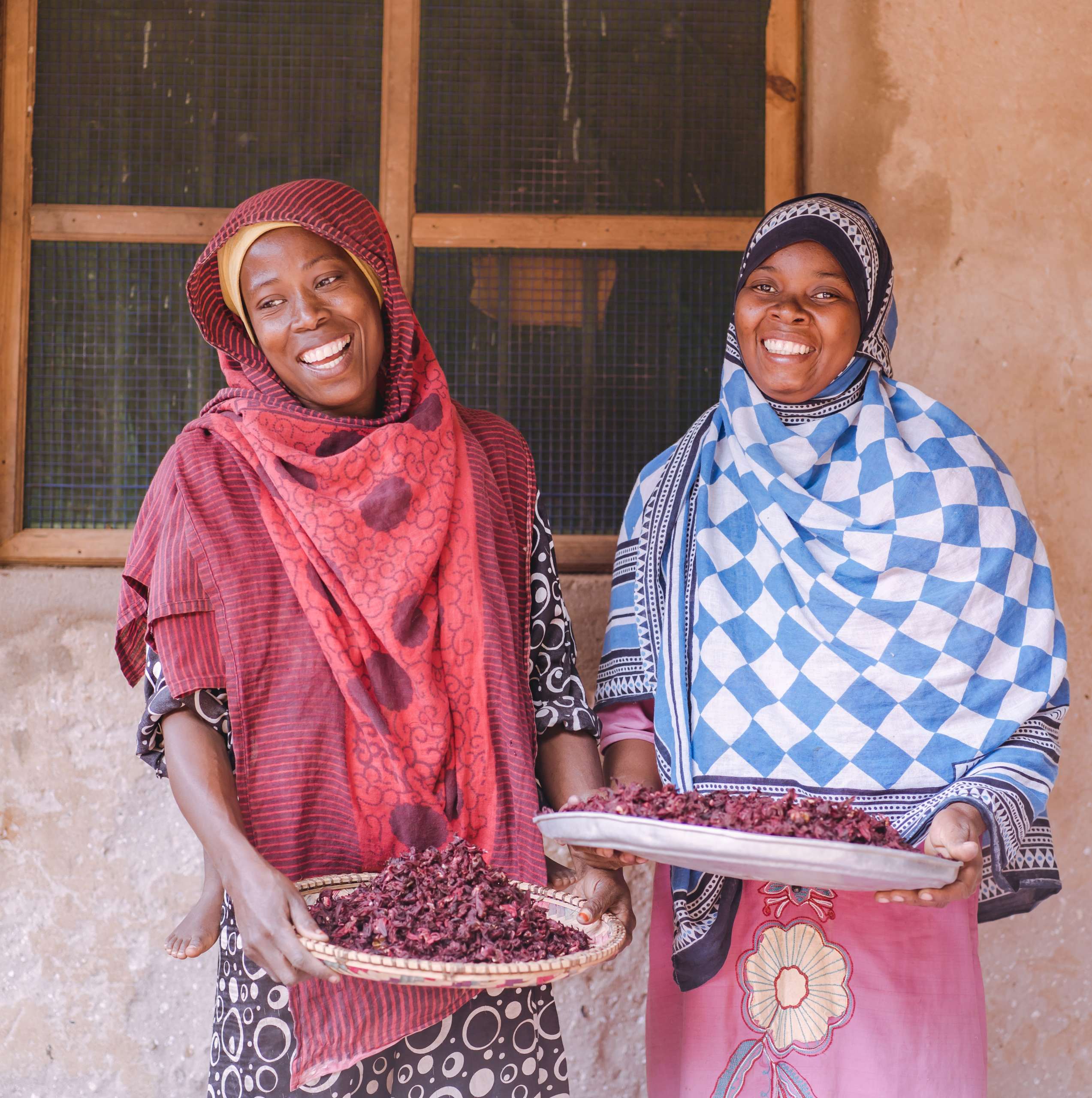
Hiyari is a second-generation farmer from Mitakawani village, where she grows black pepper and ginger. She takes great pride in her work, as it allows her to support herself and provide for her children.
One of the challenges she faces is that spices are often treated as commodities, which affects the price she receives for her crops. Through her partnership with Ujamaa, Hiyari hopes to improve access to water, secure fairer wages and strengthen the women’s farming cooperative in her community.
Habari, hello!
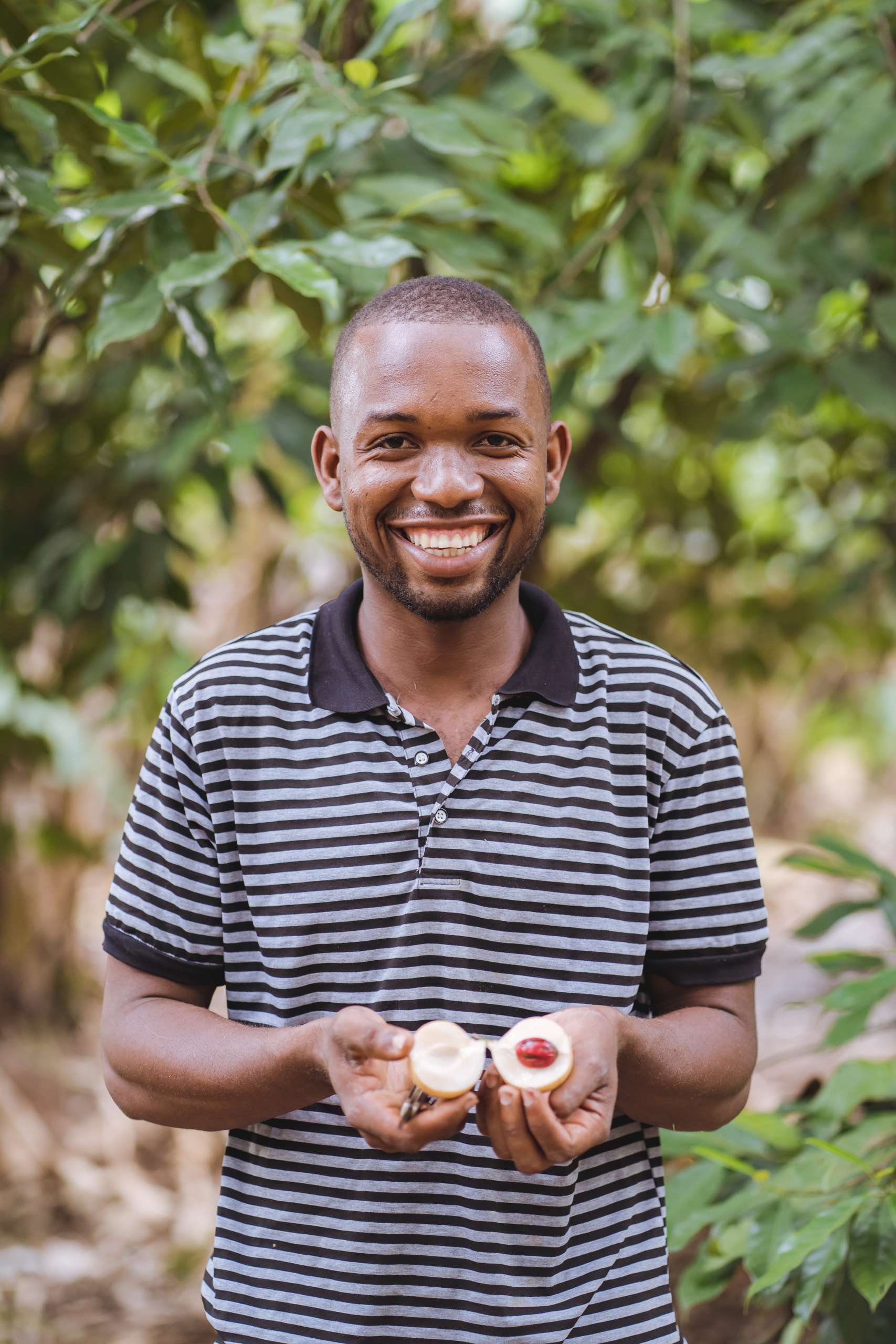
My name is Ali Yusuf.
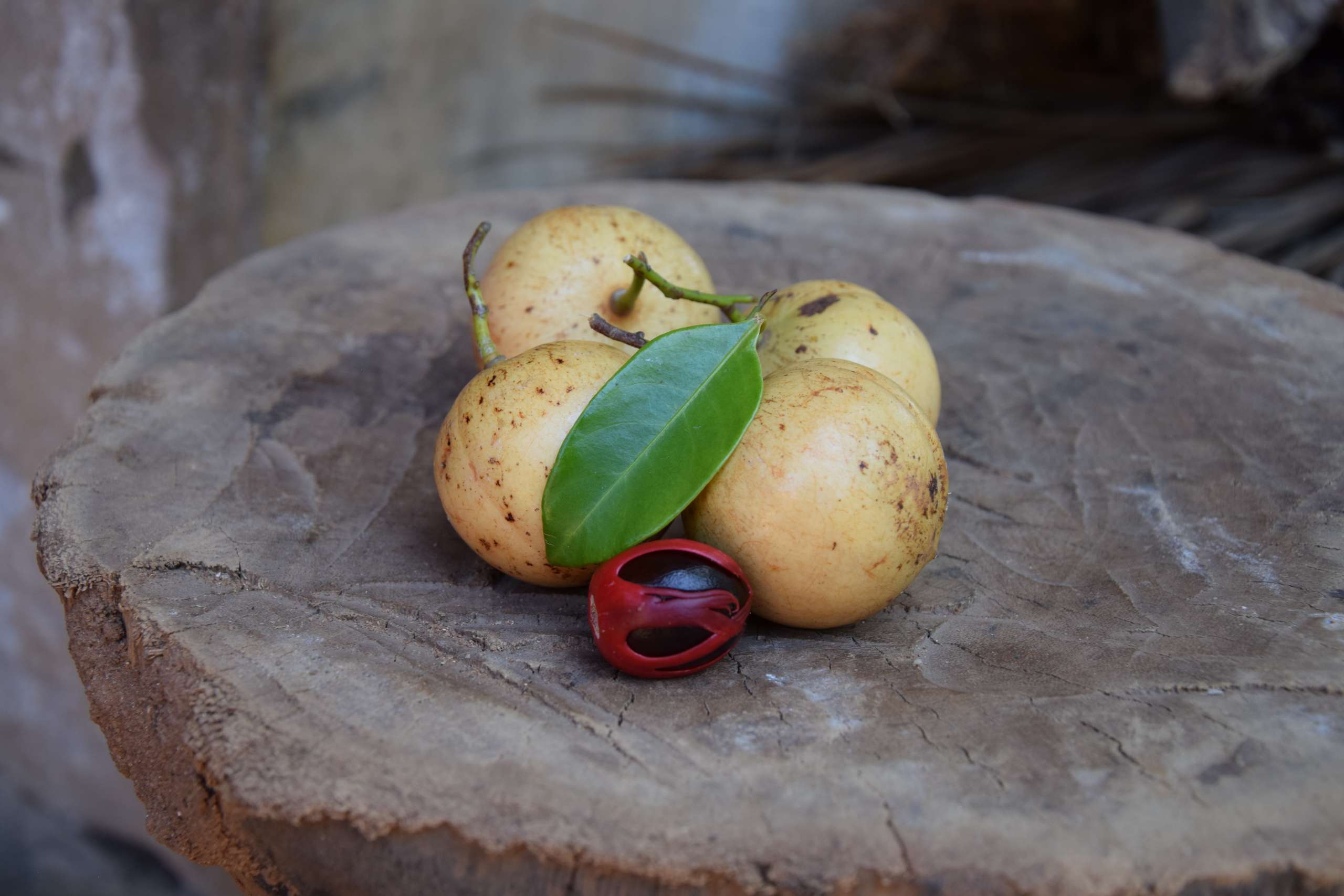
Ali is a farmer from Mitakawani village who continues to work on the same land his parents cultivated for generations, growing nutmeg. He is highly skilled at climbing the tall nutmeg trees to carefully harvest the fruit.
Most of Ali’s customers come from nearby towns, where local demand often results in lower prices that do not reflect the true global value of nutmeg. With a large harvest to manage, he often feels pressure to sell at these reduced rates.
Through his partnership with Ujamaa, Ali hopes to access wider markets and receive a fairer price for his nutmeg, helping to better support his livelihood and recognise the true value of his work.